
By PPH Foundation
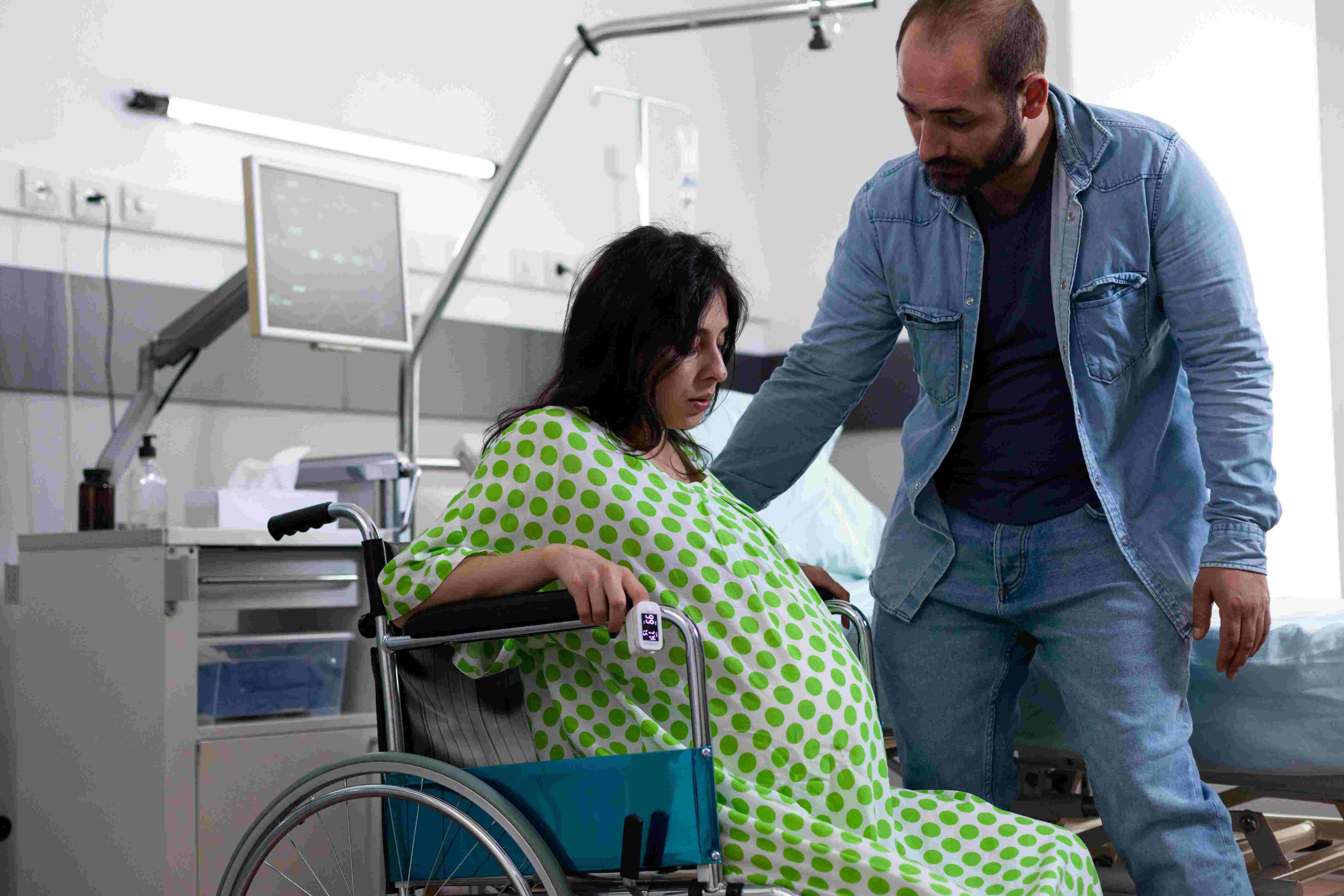
Every woman experiencing postpartum haemorrhage needs timely, appropriate and respectful emergency care. For women with disabilities, however, reaching a maternity facility and receiving the care they need may involve additional challenges. A wheelchair user may encounter steps, narrow doorways or an examination bed that cannot be adjusted. A woman with hearing disability may struggle to communicate with health workers when no sign language interpreter is available, while a woman with a visual impairment may not receive information in a format she can understand. These barriers do not mean that disability itself causes postpartum haemorrhage. Rather, they can affect access to timely maternity care, communication during emergencies and the quality of treatment a woman receives.
Disability-inclusive maternity care begins during pregnancy. Antenatal visits provide opportunities to assess a woman's health, discuss possible complications, plan for childbirth and identify the support she may need. Yet women with disabilities can face transport difficulties, inaccessible clinic buildings, high examination beds, unsuitable equipment and negative attitudes from healthcare workers. Such experiences may discourage attendance or make routine care difficult to access. When a woman cannot attend appointments easily or receive information in an accessible format, important opportunities for preparation and early intervention may be missed.
A 2025 scoping review by Bolarinwa and Mohammed examined 22 studies on access to antenatal, delivery and postnatal services among women with disabilities in sub-Saharan Africa. The review identified several recurring barriers, including inaccessible health facilities, mobility and transport challenges, communication difficulties, stigma and negative attitudes among healthcare providers. It also found that inadequate disability-sensitive training among health workers affected the quality of care. The authors noted that many of the barriers were concentrated within service delivery and the health workforce, showing that disability inclusion must be addressed within the organisation and delivery of healthcare services (Bolarinwa & Mohammed, 2025).
Evidence from Kenya illustrates what these challenges can mean in practice. In a 2021 report, UNFPA Kenya documented the experience of Catherine Syokau, a mother with a lower-limb disability, who described difficulties during her antenatal visits and after childbirth. She reported that hospital beds and toilets had not been modified to accommodate her needs. The same report highlighted gaps in health workers' preparation to provide appropriate reproductive and maternal health services to women with disabilities. These experiences show that access to a health facility does not automatically mean that the care provided is accessible or suitable.
The challenges can become more urgent when a woman develops postpartum haemorrhage. Severe bleeding after childbirth requires rapid assessment and treatment. A woman with a physical disability may need assistance to move onto an examination bed or be positioned for treatment. A woman with hearing disability may require sign language interpretation or another effective communication method to understand what is happening. A woman with an intellectual or psychosocial disability may need information explained clearly and support that respects her ability to participate in decisions. These adjustments should not delay emergency treatment. They should be part of how maternity teams prepare to provide care to different patients.
Prof Anne-Beatrice Kihara, Consultant Obstetrician-Gynaecologist and a Co-Lead of the End PPH Initiative, raised a broader question about society's responsibility towards mothers in an interview with Willow Health Media published in July 2026. She asked: “The issue is, is society valuing the woman and the baby enough to save them?” (Kihara, 2026). Her question is particularly relevant when considering women whose needs are often overlooked in the design and delivery of health services. Protecting maternal lives requires health systems to recognise that women do not all access care in the same way and that services must respond to their different needs.
Making maternity care inclusive requires practical changes. Health facilities need accessible entrances, ramps, appropriate toilets, adjustable examination beds and equipment that can accommodate different physical needs. Health workers need training on disability rights, respectful communication and the provision of appropriate support during labour, delivery and emergencies. Sign language interpretation, information in Braille or other accessible formats, and clear communication methods should be available where required. Referral and emergency transport arrangements should also consider women who may need additional assistance to reach care.
Women with disabilities should be involved in decisions about their care, including how they are supported during childbirth and emergencies. Their consent, privacy and dignity must be respected. Families and caregivers may provide support where appropriate, but they should not automatically replace the woman's own voice or decision-making.
There is also a need for better data on the maternal health experiences and outcomes of women with disabilities. Without information that identifies who is being reached, who is being left out and what barriers remain, health authorities may overlook important gaps in service delivery. Disability inclusion should therefore be reflected in maternal health policies, facility assessments, emergency preparedness and quality-of-care monitoring.
Preventing deaths from postpartum haemorrhage requires more than making emergency medicines and skilled personnel available. It also requires ensuring that every woman can reach those services, communicate her needs and receive appropriate treatment. A maternity system cannot be considered fully prepared if some women are unable to access or use the care it provides. Every mother, regardless of disability, deserves a safe birth and timely care when complications arise.
References
Bolarinwa, O., & Mohammed, A. (2025). Bridging gaps in maternity care for women with disabilities: A scoping review of access and utilisation in sub-Saharan Africa adopting the WHO health systems framework. Contraception and Reproductive Medicine, 10, 58. https://doi.org/10.1186/s40834-025-00395-y
Kihara, A. B. (2026, July 8). Prof Anne-Beatrice Kihara: She repeated a year in med school, delivered 40,000 babies, never stopped asking why mothers die. Willow Health Media. https://willowhealthmedia.org/prof-anne-beatrice-kihara-she-repeated-a-year-in-med-school-delivered-40000-babies-never-stopped-asking-why-mothers-die/
United Nations Population Fund (UNFPA) Kenya. (2021, December 23). Healthcare workers trained to address sexual and reproductive health needs of women with disabilities. https://kenya.unfpa.org/en/news/healthcare-workers-trained-address-sexual-and-reproductive-health-needs-women-disabilities
Women with disabilities’ use of maternal care services in sub-Saharan Africa. (2024). [Study available through PubMed Central]. https://pmc.ncbi.nlm.nih.gov/articles/PMC11304128/