By PPH Foundation
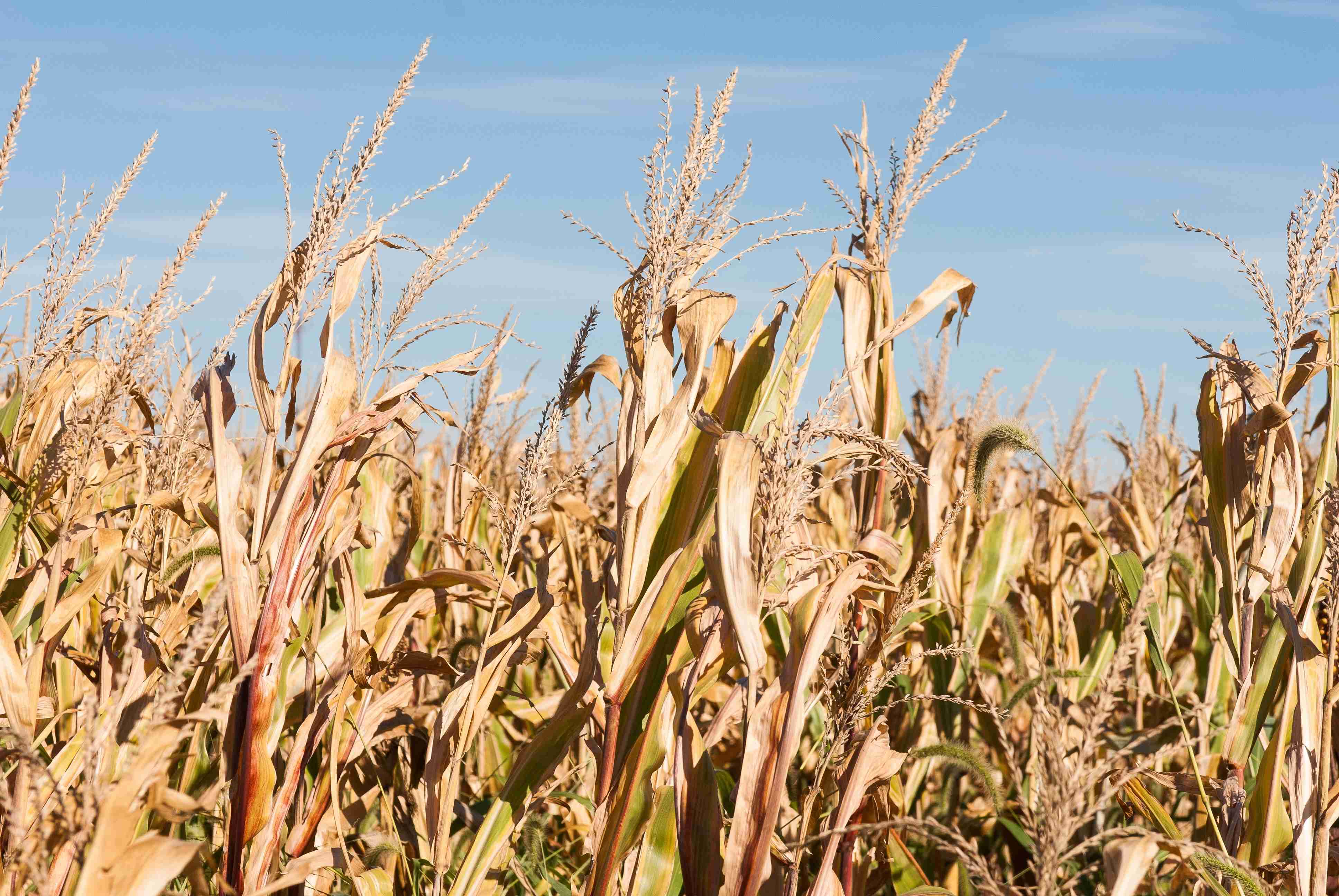
When a drought destroys crops or erratic rainfall reduces harvests, the consequences extend beyond food availability and household income. For women preparing for pregnancy and childbirth, environmental shocks can affect what food is available, what families can afford and whether their diets provide the nutrients needed to maintain good health. One concern is anaemia, a condition that can leave women less able to withstand the blood loss that may occur during childbirth.
Postpartum haemorrhage (PPH), excessive bleeding after childbirth, remains a major cause of preventable maternal deaths. Although PPH has several established obstetric causes, a woman's health before delivery can influence how well she tolerates severe bleeding. Anaemia is particularly important because it reduces the blood's capacity to carry oxygen. A woman who enters labour with significantly low haemoglobin may have less physiological reserve if heavy bleeding occurs, making early recognition and effective treatment even more critical (Fadeyi et al., 2026).
The connection between climate change, food security and maternal health is receiving growing scientific attention. Droughts, floods, rising temperatures and changing rainfall patterns can affect agricultural production, food prices and the availability of diverse foods. In communities where households depend on rain-fed farming, a failed harvest can mean fewer vegetables, legumes, fruits and other nutrient-rich foods. Even when food remains available in local markets, higher prices may place a varied diet beyond the reach of some families (Fanzo et al., 2025).
A study published in September 2026 in the American Journal of Human Biology provides new evidence of a possible link between environmental exposure and anaemia. Researchers Alfredo J. Rojas Jr and colleagues analysed demographic and health survey data covering approximately 1.3 million women aged 15–49 years, combining these with climate and geographic information. They found that unusually hot and wet conditions were associated with an increased risk of anaemia, with stronger associations under certain combinations of extreme temperature and rainfall (Rojas et al., 2026).
The findings are significant because they extend the climate and health discussion beyond childhood nutrition to anaemia among women of reproductive age. However, the study did not examine only pregnant women, and its findings do not establish that climate change directly causes anaemia in pregnancy or PPH. They point to an association that warrants further investigation, including research focused specifically on pregnant women and the pathways through which environmental conditions affect their nutritional status (Rojas et al., 2026).
Other research helps explain how food systems may be part of this pathway. A 2025 study examining dietary diversity among 142,484 non-pregnant women across eight low- and middle-income countries, including Kenya, found that several climate-related variables were associated with lower odds of women meeting minimum dietary diversity. The researchers highlighted the importance of adaptation measures that protect access to diverse diets, particularly among vulnerable populations (Columbia University, 2025).
Evidence from communities in Kenya, Mozambique and The Gambia also shows that eating a varied diet during pregnancy is not simply a matter of knowing what constitutes healthy food. In a qualitative study published in PLOS Global Public Health in April 2025, researchers found that affordability, seasonal availability, household decision-making and social expectations influenced what pregnant and breastfeeding women ate. These findings help illustrate why an environmental shock can become a nutritional concern: when food supplies or household finances are disrupted, women may have fewer opportunities to obtain a balanced diet (Kinshella et al., 2025).
Prof Julius Ogeng’o, Professor at the University of Nairobi and a Co-Lead of the End Postpartum Haemorrhage Initiative, has highlighted this broader connection between environmental conditions and maternal health. In a PPH Foundation article published on 19 June 2026, he observed:
“When we discuss postpartum haemorrhage, we often focus on what happens during childbirth. However, many of the factors that determine whether a woman survives begin much earlier. Drought affects food availability, nutrition, and maternal health long before delivery. A woman who enters labour with anaemia resulting from poor nutrition is significantly more vulnerable if postpartum haemorrhage occurs. Addressing food insecurity is therefore an important component of preventing maternal deaths” (Ogeng’o, 2026).
His observation reinforces the need to look beyond the delivery room when considering maternal survival. Nevertheless, food insecurity is only one potential contributor to anaemia. Iron and other nutrient deficiencies, malaria, parasitic infections, chronic disease and other factors may also play a role. Climate-related food insecurity should therefore be understood as part of a wider set of influences, rather than as the sole explanation for maternal anaemia.
The implications for prevention are practical. Antenatal care should include appropriate screening for anaemia, access to recommended iron and folic acid supplementation, nutritional counselling and investigation of underlying causes where indicated. Pregnant women experiencing food insecurity may also need support connecting them with available nutrition programmes and social protection services. These measures remain important regardless of whether a woman's nutritional difficulties are linked to drought, household poverty or other circumstances.
At the community and policy levels, protecting maternal nutrition requires collaboration between healthcare services, agriculture, environmental planning and social protection programmes. Climate-resilient farming, improved food storage, diverse and locally available crops, and support for households affected by failed harvests can contribute to more reliable access to nutritious foods. Such measures cannot replace clinical PPH prevention and treatment, but they can form part of a broader strategy to protect women's health before childbirth (Fanzo et al., 2025).
The wider evidence is also developing. A scoping review published in September 2026 in The Journal of Climate Change and Health examined 51 documents on climate change and maternal and child health in sub-Saharan Africa. It identified associations between climatic exposures and several maternal outcomes, including PPH, alongside malnutrition and disruptions to healthcare access. The review also highlighted the need for more region-specific research and climate-resilient health planning (Fadeyi et al., 2026).
The central message is not that climate change alone causes PPH. Rather, environmental pressures can affect food systems and nutritional wellbeing, while anaemia can make severe blood loss more dangerous. Understanding these connections creates an opportunity to link climate adaptation with maternal nutrition and quality obstetric care. Preventing maternal deaths requires skilled healthcare workers, appropriate medicines, blood supplies and timely emergency treatment, alongside attention to the conditions that shape women's health long before labour begins.
References
- Rojas, A. J., Gray, C., Thiede, B. C., & Thompson, A. L. (2026). Climate exposures increase the risk of anemia among reproductive-age women in low- and middle-income countries. American Journal of Human Biology, 38(9), e70297. https://doi.org/10.1002/ajhb.70297
- Fanzo, J., Carducci, B., Louis-Jean, J., Herrero, M., Karl, K., & Rosenzweig, C. (2025). Climate change, extreme weather events, food security, and nutrition: Evolving relationships and critical challenges. Annual Review of Nutrition, 45, 335–360. https://doi.org/10.1146/annurev-nutr-111324-111252
- Exploring women’s dietary diversity amidst climate variability: A comparative analysis across eight low- and middle-income countries. (2025, July 30). Columbia University, Food for Humanity. Research published in Environmental Research Letters. https://food.climate.columbia.edu/news/exploring-womens-dietary-diversity-amidst-climate-variability-comparative-analysis-across
- Kinshella, M.-L. W., Dama, S., Wanje, O., Pires, R., Boene, H., Jagne, P., et al. (2025). Community perspectives on maternal dietary diversity in rural Kenya, Mozambique and The Gambia: A PRECISE Network qualitative study. PLOS Global Public Health, 5(4), e0004411. https://doi.org/10.1371/journal.pgph.0004411
- Fadeyi, O., Igbokwe, U., Sampson, I., Raheem, O., Ezeogu, E., Omidiran, Y., Adetunde, O., & Aigbogun, E. (2026). The impact of climate change on maternal and child health outcomes in sub-Saharan Africa: A five-year (2020–2024) scoping review. The Journal of Climate Change and Health, 31, 100723. https://doi.org/10.1016/j.joclim.2026.100723
- Ogeng’o, J. (2026, June 19). Drought, food insecurity and postpartum haemorrhage: An emerging maternal health crisis. PPH Foundation. https://www.endpphfoundation.org/pulse/drought-food-insecurity-and-postpartum-haemorrhage-an-emerging-maternal-health-crisis
- Photo from Magnific