By PPH Foundation
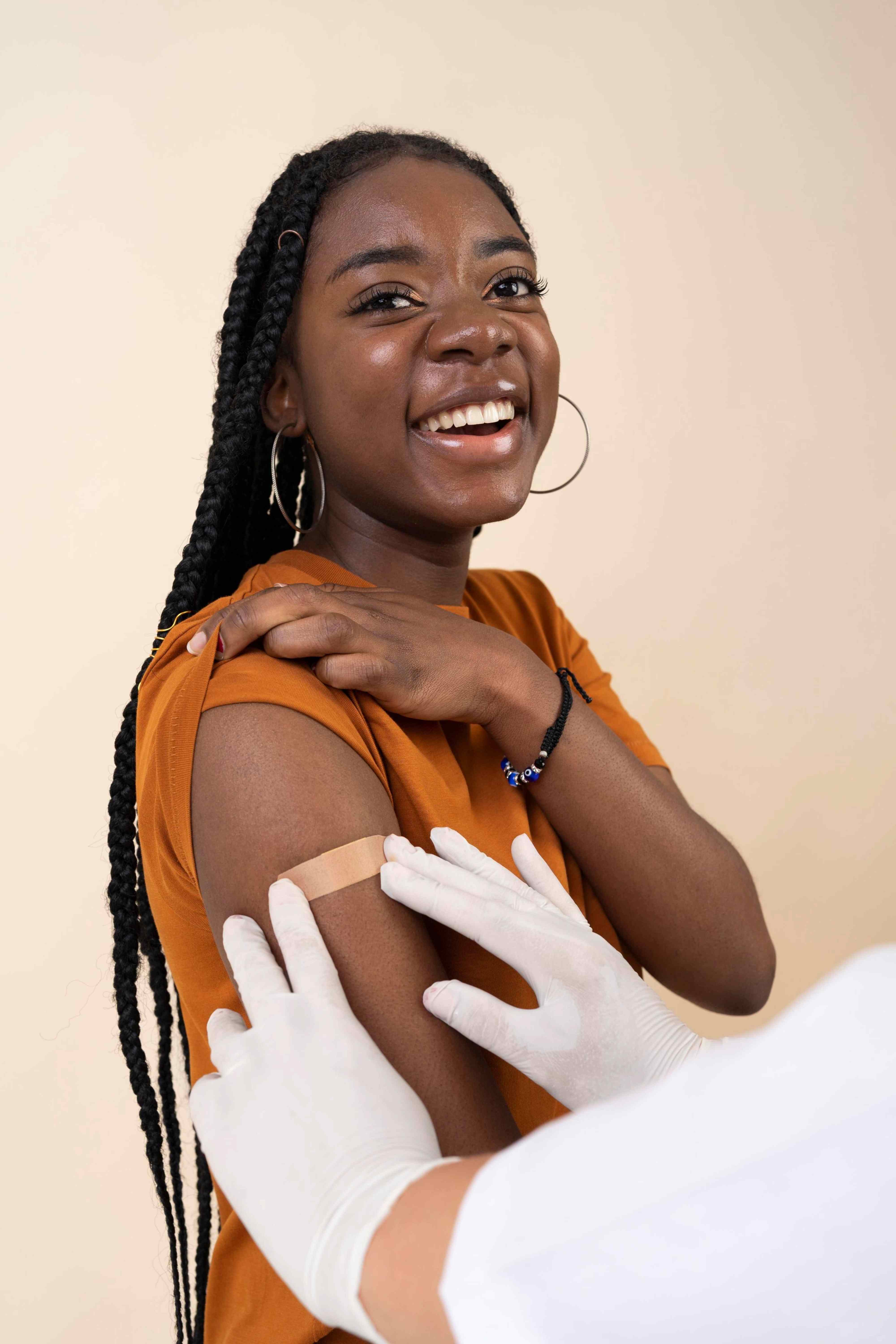
World Immunization week
Maternal immunization is emerging as a critical upstream intervention in reducing the risk of postpartum haemorrhage, not by directly preventing bleeding, but by preventing the underlying conditions that make women more vulnerable to it. Recent research shows that infections during pregnancy contribute to maternal anaemia and systemic complications, both of which significantly increase the risk and severity of postpartum haemorrhage. A 2023 cohort analysis from the WOMAN-2 trial confirms that maternal anaemia is strongly associated with increased risk of postpartum haemorrhage, reinforcing the importance of preventive strategies that protect maternal health before delivery.
Maternal immunization plays a key role in this prevention pathway. By protecting pregnant women against infections such as influenza, tetanus, and COVID-19, vaccines reduce the burden of illness that contributes to anaemia, inflammation, and poor pregnancy outcomes. According to global maternal health data, postpartum haemorrhage remains the leading cause of maternal mortality worldwide, affecting an estimated 14 million women each year and resulting in approximately 70,000 deaths, most of them in low and middle-income countries.
The connection between infection, maternal health, and bleeding risk is becoming clearer in recent studies. Research published in 2024 in BMC Public Health examining prenatal anaemia and postpartum haemorrhage found that increasing severity of anaemia significantly raised the likelihood of PPH. This is critical because infections during pregnancy are a major driver of anaemia, particularly in settings with high infectious disease burden.
While maternal immunization does not directly target haemorrhage, it interrupts this risk pathway early. Preventing infections reduces the likelihood of anaemia and systemic inflammation, both of which compromise a woman’s ability to withstand blood loss during childbirth. This positions immunization as a key preventive layer within comprehensive antenatal care.
Health systems are increasingly recognising the need to integrate preventive approaches with clinical management of postpartum haemorrhage. The World Health Organization’s 2023 roadmap to combat postpartum haemorrhage emphasizes that reducing maternal deaths requires not only effective treatment but also stronger prevention strategies across the continuum of care.
Prof Moses Obimbo, Project Lead of the End PPH Initiative, underscores this approach, noting that, “Preventing postpartum haemorrhage starts long before delivery. Strengthening maternal health during pregnancy, including through immunization, reduces the risks that lead to severe bleeding and improves outcomes for mothers.”
Evidence-based solutions point to the need for fully integrated antenatal care packages that combine maternal immunization with iron and folate supplementation, malaria prevention in endemic areas, and early risk screening. Strengthening vaccine access, addressing hesitancy, and ensuring that immunization is delivered as part of routine antenatal services are critical steps in reducing maternal complications.
As Immunization Week is observed, the message is clear. Protecting mothers from infection is not only about preventing disease, it is a strategic intervention that strengthens maternal resilience, reduces risk factors for postpartum haemorrhage, and contributes to safer childbirth.
Sources
WOMAN-2 Trial Collaborators, Maternal anaemia and the risk of postpartum haemorrhage, a cohort analysis of data from the WOMAN-2 trial, The Lancet Global Health, 2023, 11, 8, e1249–e1259.
World Health Organization, WHO recommendations on the assessment of postpartum blood loss and treatment bundle for postpartum haemorrhage, Geneva, 2023.
World Health Organization, Lifesaving solution dramatically reduces severe bleeding after childbirth, WHO News Release, 2023.
Oluwole et al., Prenatal anaemia and risk of postpartum haemorrhage, Predict-PPH Study, BMC Public Health, 2024, 24, 1028.
World Health Organization, A roadmap to combat postpartum haemorrhage between 2023 and 2030, 2023.
Image by freepik</a>